Aluminium OS Wallpapers Leak: Early Look at Google's Upcoming Laptop Platform
Leaked wallpapers from the upcoming Aluminium OS give us a first look at the vibrant, abstract visual direction Google is taking for its next laptop platform.
Key Points
- Leaked Aluminium OS wallpapers surfaced via Telegram leaker Mystic Leaks.
- The designs feature vibrant neon colors and abstract, surreal shapes.
- Aluminium OS is Google's upcoming push for a more app-driven laptop experience.
- Google is pursuing a dual-OS strategy alongside the existing ChromeOS.
- Official release for the platform is still targeted for 2026.
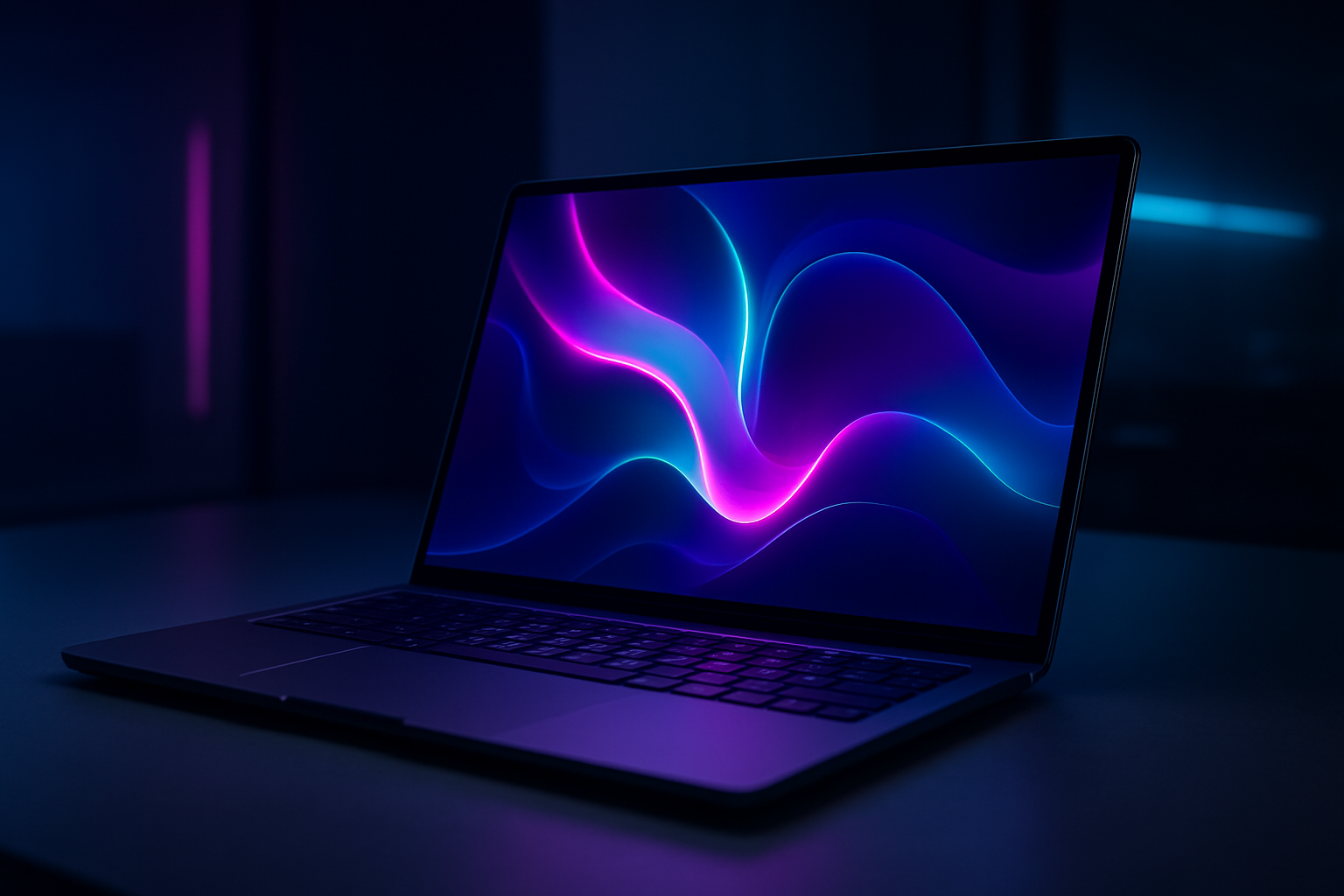
The tech world is buzzing following a recent leak that provides an early, tantalizing glimpse into Google’s upcoming laptop platform, Aluminium OS. Shared by the Telegram-based leaker Mystic Leaks, the set of wallpapers allegedly belonging to the operating system suggests a bold new visual direction for Google’s desktop environment. As we move toward a 2026 launch window, these aesthetic markers provide our first look at what the user interface might feel like for the next generation of Google-powered hardware. The design language displayed in these leaked files is striking, characterized by an heavy emphasis on neon palettes and abstract geometry. The color schemes are vibrant, featuring bold splashes of magenta, deep blue, orange, and teal. Some of the imagery leans into a surreal, atmospheric style, moving away from the more static, landscape-focused wallpapers found in older versions of ChromeOS. The leak reveals that the assets are categorized into two distinct sets: 'Adaptive' wallpapers, likely designed to shift based on system themes or time of day, and 'Chromebook' wallpapers, which maintain a consistent, high-fidelity aesthetic across different hardware tiers. But what exactly is Aluminium OS, and why does it matter? Aluminium OS represents a significant strategic pivot for Google. Rather than completely phasing out ChromeOS, Google appears to be moving toward a dual-OS strategy. ChromeOS will likely remain the backbone for education and budget-friendly hardware, while Aluminium OS is being positioned as a more app-centric, high-performance platform. The goal is to bring a much deeper, more native Android experience to the desktop, allowing for seamless integration between smartphones and laptops in a way that current cross-platform tools only partially achieve. This shift is part of a broader evolution in Google’s hardware ecosystem. For years, ChromeOS was criticized for being too reliant on web-based applications. By building Aluminium OS, Google is clearly aiming to provide a more robust environment where Android applications can thrive on a desktop level. This is a direct response to the increasing power of mobile chipsets and the convergence of mobile and desktop computing. Despite earlier court documents that hinted at a potential delay to 2028, Google has officially confirmed that the release remains on track for 2026, signaling that development is progressing faster than previously feared. For the average consumer, this means we are looking at a future where the line between a smartphone and a laptop becomes increasingly blurred. If Google successfully executes this vision, users could experience a level of continuity that currently defines the Apple ecosystem, but with the flexibility and open-source foundation of the Android platform. However, the success of Aluminium OS will ultimately depend on its software library and how well it handles professional-grade multitasking, not just the visual flair of its desktop backgrounds. As with all leaks of this nature, it is important to exercise caution. Google’s design teams are known for iterating rapidly, and the final version of Aluminium OS could look drastically different from these early assets. These wallpapers might be part of an internal testing phase or even an early concept that has since been discarded. Nevertheless, they serve as a vital indicator that the project is alive and well. As we look ahead to 2026, the tech community will be watching closely to see if Google can translate these vibrant, neon-soaked designs into a cohesive and functional desktop experience that can truly challenge the status quo.
A New Visual Identity
The leaked wallpapers reveal a significant departure from Google’s traditional design language. By embracing neon palettes and abstract geometry, the company is signaling a move toward a more modern, high-energy aesthetic that feels distinct from the current iteration of ChromeOS. This visual shift is likely intended to differentiate Aluminium OS as a premium or specialized platform. The use of 'Adaptive' and 'Chromebook' sets suggests that Google is focusing on a modular UI that can evolve based on hardware capabilities and user preferences.
Google's Dual-OS Strategy
Google is not abandoning ChromeOS; instead, it is adopting a dual-OS strategy. While ChromeOS continues to serve the education and entry-level markets, Aluminium OS is being positioned as a more app-driven computing experience designed for modern productivity. This move is critical for Google's long-term hardware ambitions. By creating a platform that bridges the gap between mobile Android and desktop computing, the company aims to offer a unified ecosystem that competes directly with the deep integration seen in other major desktop operating systems.
This article was drafted with AI assistance and editorially reviewed before publication. Sources are listed below.