
End of an Era: Amazon Ending Support for Legacy Kindle Devices in 2026
Amazon is officially sunsetting Kindle Store access for e-readers and tablets released in 2012 or earlier, marking the end of support for iconic legacy devices.
Key Points
- Kindle Store access ends for devices released in 2012 or earlier on May 20th, 2026.
- Affected hardware ranges from the 2007 original Kindle to 2012 Kindle Fire models.
- Downloaded content remains readable, but new purchases/syncing will be disabled.
- Factory resetting or deregistering devices after the deadline will render them unable to re-login.
- Amazon is offering a 20% discount and $20 ebook credit to encourage hardware upgrades.
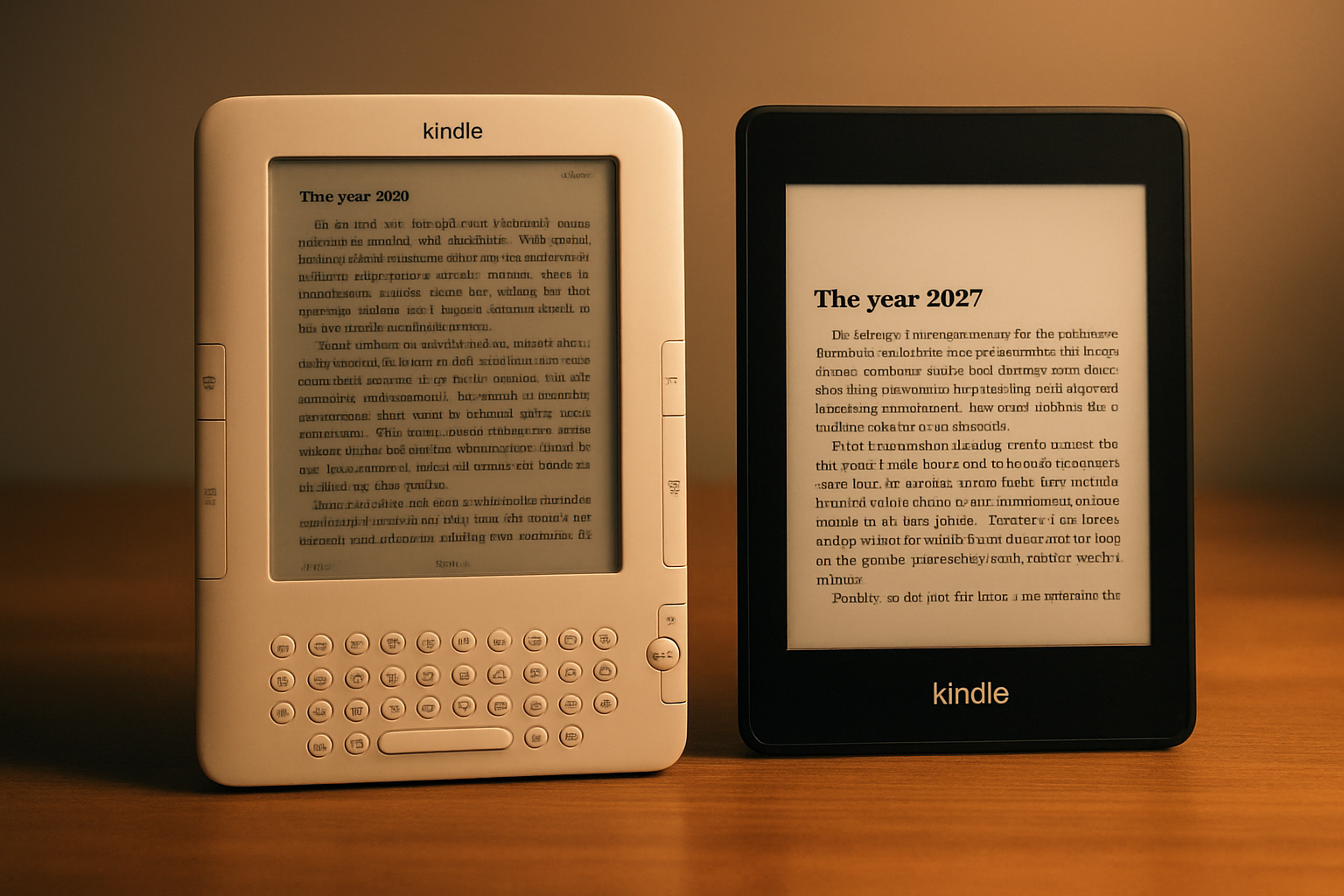
In a move that signals the natural progression of hardware and software lifecycles, Amazon has officially announced that it will be sunsetting support for a wide range of legacy Kindle devices. Starting May 20th, 2026, any Kindle e-reader or Kindle Fire tablet released in 2012 or earlier will lose access to the Kindle Store. According to Amazon spokesperson Jackie Burke, this decision effectively means that these devices will no longer be able to purchase, borrow, or download new digital content directly from Amazon's ecosystem. This decision marks the end of an era for some of the most iconic devices in the history of e-reading. The list of affected hardware is extensive, tracing back to the original Kindle released in 2007, which famously featured a physical full QWERTY keyboard and a dedicated scroll wheel. Other affected devices include the Kindle DX, Kindle Keyboard, and the various 2011 and 2012 iterations of the Kindle and Kindle Fire tablets. For long-time users, this news serves as a reminder that even the most durable consumer electronics eventually hit a 'software wall' where modern security protocols and server-side requirements can no longer be met by aging hardware. While the devices will technically still be functional for reading content that has already been downloaded, the experience will be significantly hampered. Users will no longer be able to sync new books or manage their libraries directly from these devices. Crucially, if a user performs a factory reset or deregisters their device after the May 2026 deadline, they will be unable to re-register the device to their Amazon account, effectively turning the hardware into a standalone unit with no access to cloud-based library features. Amazon has stated that users will still be able to access their purchases through the Kindle mobile app, Kindle for Web, or newer hardware. To mitigate the frustration of long-time customers, Amazon is introducing an upgrade incentive program. Eligible users will receive a 20 percent discount on new Kindle hardware and a $20 ebook credit to be applied to their accounts. This offer is valid until June 20th, 2026. Amazon emphasizes that all previous book purchases remain linked to the user's account, ensuring that the transition to a newer device—such as a modern Paperwhite or Scribe—will be seamless, provided the user logs in with their existing credentials. This is not the first time Amazon has forced a transition for older hardware. In 2016, the company required users of pre-2012 models to perform a mandatory software update to maintain connectivity. However, a decade later, the hardware limitations have become insurmountable. As we look at the list of affected tablets, including the Kindle Fire 1st and 2nd Gen, it is clear that Amazon is prioritizing the security and performance of its current ecosystem. For collectors and enthusiasts of early e-ink technology, this marks a definitive point where these devices transition from 'active tools' to 'historical artifacts.'
Devices Affected by the Sunset
The list of devices losing Kindle Store access is comprehensive, covering nearly two decades of Amazon hardware. It begins with the original 2007 Kindle, known for its distinct keyboard and scroll wheel, and extends to the Kindle DX, Kindle Keyboard, and the 2011/2012 Kindle and Paperwhite models. Additionally, early Kindle Fire tablets, including the 1st and 2nd Gen and the Fire HD 7 and 8.9, are also included in this transition. These devices, while revolutionary at the time of their release, lack the modern processing power and security protocols required to interact with Amazon’s current cloud infrastructure. As the company updates its security standards to protect user data, maintaining compatibility for hardware with such limited resources becomes technically unfeasible. This move effectively moves these devices out of active service and into the realm of legacy hardware.
Upgrade Paths and User Options
Amazon is attempting to soften the blow by offering an upgrade incentive program. Eligible users can claim a 20 percent discount on new Kindle devices and receive a $20 ebook credit upon upgrading. This initiative serves as a bridge for long-time customers to migrate their digital libraries to modern hardware, such as the current generation of Paperwhite or Kindle Scribe models, which offer significantly better displays and battery efficiency. Crucially, user accounts remain intact. Any books previously purchased or borrowed are tied to the user's Amazon account, not the physical device. This means that once a user upgrades to a newer model, their entire library will be accessible immediately upon login. By providing this path, Amazon ensures that while the hardware reaches its end-of-life, the user's investment in digital content remains secure and accessible.
This article was drafted with AI assistance and editorially reviewed before publication. Sources are listed below.