
Apple's Next iPad Naming Strategy: A Potential Shift in Branding
Recent insights suggest that Apple may be planning a significant shake-up in its iPad naming conventions as the next entry-level model approaches.
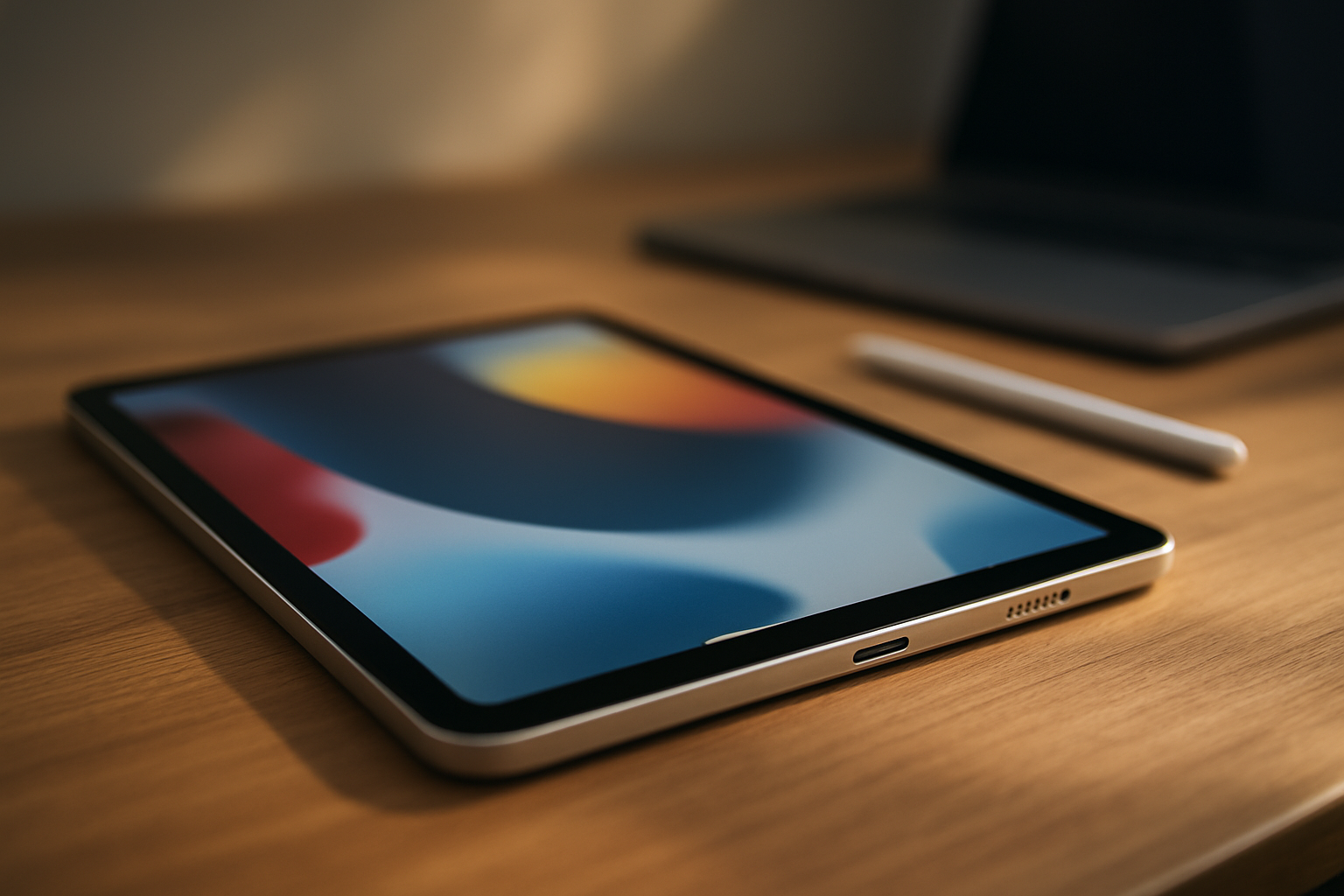
Key Points
- Expectations for a new entry-level iPad powered by the A18 chip.
- Apple is considering a major overhaul of its iPad naming convention.
- The A18 upgrade will significantly boost AI and multitasking capabilities.
- Increased competition from Android tablets is driving Apple's performance strategy.
- New branding may prioritize device utility over traditional generation numbers.
For over a decade, Apple has defined the tablet market with the iPad series, creating a product line that is essential for millions of users globally. As we surpass the one-year mark since the release of the last entry-level iPad, which was powered by the A16 Bionic chip, anticipation is building for the next iteration. Recent insights from industry insiders suggest that Apple is not just planning a hardware upgrade to the A18 chipset, but is also contemplating a fundamental shift in its naming convention. Historically, Apple’s naming scheme—iPad, iPad Air, iPad Pro, and iPad Mini—was intuitive. However, as the product stack has grown, the lines between these categories have blurred. The entry-level iPad, often simply referred to as the 'iPad,' has become a confusing term for consumers who must distinguish it by generation number. Reports indicate that Apple is exploring a new branding strategy to clarify these distinctions, potentially moving away from numeric generations toward a more descriptive naming structure that highlights the device's capabilities or target audience. The inclusion of the A18 chip is a significant leap forward for the base-model iPad. This silicon is not merely a moderate upgrade; it is a powerhouse designed to handle the heavy lifting of modern iPadOS features, particularly those involving on-device artificial intelligence and machine learning. For the average consumer, this means the entry-level device will transition from a simple content consumption tool to a robust workstation capable of handling complex creative tasks, advanced multitasking, and high-fidelity gaming, effectively narrowing the performance gap between the base model and the more expensive Pro lineup. From a strategic standpoint, a rebranding effort is a classic Apple move to refresh consumer interest. By moving away from potentially stagnant numeric labels, Apple can reposition the iPad as a modern, essential tool for the digital age. Names like 'iPad Core' or 'iPad Essential' have been speculated as ways to emphasize utility over generation. This shift would allow Apple to maintain a clear distinction between the 'Pro' user who needs maximum power and the 'Essential' user who needs a reliable, long-lasting device for school or home office work. When we look at the market landscape, Apple is under pressure to maintain its lead against a growing number of powerful Android tablets that offer high-refresh-rate displays and competitive pricing. By bringing the A18 chip to the entry-level tier, Apple is doubling down on its greatest strength: the integration of high-performance custom silicon with a highly optimized operating system. This combination is something that competitors struggle to replicate, providing Apple with a unique value proposition that is difficult to ignore. Ultimately, the potential change in naming is more than just a marketing exercise; it is an acknowledgement that the iPad has evolved. As the lines between tablets and laptops continue to blur, how Apple labels its devices becomes crucial in guiding user expectations. Whether the next device is called the 'iPad 11th Gen' or something entirely new, the underlying hardware upgrade suggests that Apple remains committed to pushing the boundaries of what a tablet can do. As we approach the anticipated release date, the tech community remains on high alert for the official announcement that will likely set the standard for the next generation of portable computing.
The A18 Performance Leap
The jump from the A16 Bionic to the A18 chipset represents a significant technological milestone for the entry-level iPad. This move isn't just about raw speed; it's about enabling advanced on-device AI features and multitasking capabilities that were previously reserved for higher-end models. By equipping the base-model iPad with such powerful silicon, Apple is effectively future-proofing the device for the average user, ensuring that it remains relevant and capable of running demanding software updates for years to come.
Rethinking Brand Identity
Apple's traditional reliance on numeric generations has created a cluttered landscape for consumers. By exploring a new naming scheme, the company aims to simplify the purchase decision process and clearly communicate the value proposition of each device. Moving away from generation numbers toward capability-based names could revitalize the product line, making it easier for customers to identify the right model for their needs while simultaneously refreshing the brand's image in a highly competitive market.
This article was drafted with AI assistance and editorially reviewed before publication. Sources are listed below.