
Analyzing Assassin's Creed Black Flag Resynced PC System Requirements
We provide a comprehensive breakdown of the PC system requirements for Assassin's Creed Black Flag Resynced, highlighting Ubisoft’s commitment to hardware accessibility.
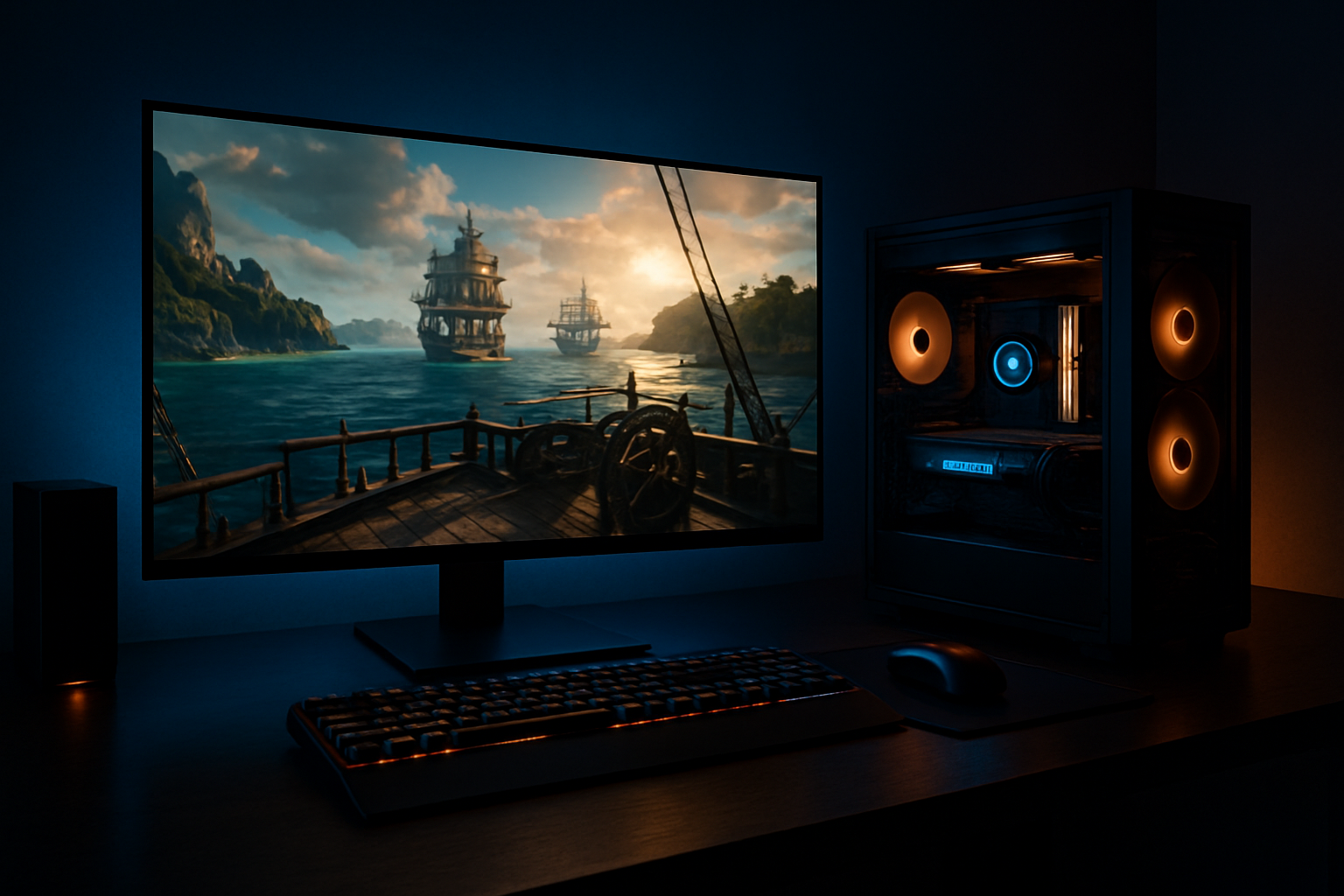
Key Points
- Ubisoft is focusing on supporting mid-tier and older hardware to maximize accessibility.
- The Nvidia RTX 3060 serves as a key benchmark for recommended performance.
- Dedicated settings for handhelds like the Steam Deck show a commitment to versatility.
- Mobile-focused resource management leads to improved stability for all PC users.
Following our initial look at the hardware requirements for Assassin's Creed Black Flag Resynced, we are diving deeper into the second part of our analysis, focusing on the broader implications of these technical specifications. It is clear that Ubisoft has adopted a strategy aimed at inclusivity, ensuring that the game is accessible to a wide demographic of PC gamers rather than isolating the experience to those with cutting-edge, ultra-expensive hardware. This approach is a welcome relief for many in the gaming community who rely on older or mid-tier systems and have been concerned about the necessity of forced hardware upgrades to enjoy modern titles. This design choice is particularly significant given the current state of the global hardware market. With ongoing supply chain complexities affecting the availability and pricing of DRAM and SSD units, many enthusiasts have found it increasingly difficult to justify comprehensive system overhauls. By optimizing the game to run efficiently on older, widely used hardware, Ubisoft is effectively lowering the barrier to entry. The inclusion of the Nvidia RTX 3060 as a recommended benchmark is a particularly savvy move; it is one of the most common cards currently in circulation, meaning a massive portion of the player base can jump into the game with their existing setups without needing to break the bank. Furthermore, the announcement of dedicated settings for portable devices like the Steam Deck represents a shift in how developers approach PC ports. Ubisoft is not merely porting the game; they are engineering it to be flexible. These mobile-specific optimizations suggest that the game’s core architecture is built with a focus on resource management and thermal efficiency, which naturally translates to better performance and stability on desktop PCs as well. When developers optimize for the constrained resources of a handheld device, the entire PC ecosystem benefits from cleaner code, better frame-pacing, and more intelligent graphical presets. Ultimately, this strategy signals a mature understanding of the modern PC gaming landscape. Today’s gamers are no longer tethered to a single platform; they value versatility, portability, and performance consistency. By prioritizing these aspects, Ubisoft is positioning Assassin's Creed Black Flag Resynced as a title that respects its players' hardware choices. As we look toward the future, this commitment to optimization will likely set a standard for how major studios approach PC development, ensuring that the focus remains on delivering a great experience to as many people as possible, rather than just chasing the highest possible raw specs.
Performance and Hardware Philosophy
Assassin's Creed Black Flag Resynced is designed with a flexible performance profile that caters to a broad spectrum of PC hardware. Ubisoft’s strategic decision to avoid overly demanding requirements demonstrates a commitment to player accessibility, allowing those with mid-range systems to enjoy a high-quality experience without the need for immediate hardware upgrades. By providing a granular selection of graphical and performance settings, the game empowers users to find the perfect balance between visual fidelity and frame rates, ensuring compatibility with the most popular graphics cards currently in use.
Handheld Integration and Optimization
The developer's focus on native support for handhelds like the Steam Deck is a testament to the modern approach of PC software engineering. This strategy goes beyond simple portability, focusing on efficient resource management and thermal performance. These technical optimizations benefit the entire PC community, as the resulting efficiency improvements lead to more stable performance on desktop systems, proving that a focus on mobile-friendly development creates a better overall experience for all players.
This article was drafted with AI assistance and editorially reviewed before publication. Sources are listed below.