
Asus ROG Swift OLED Monitors Arriving Cracked Due to Poor Packaging
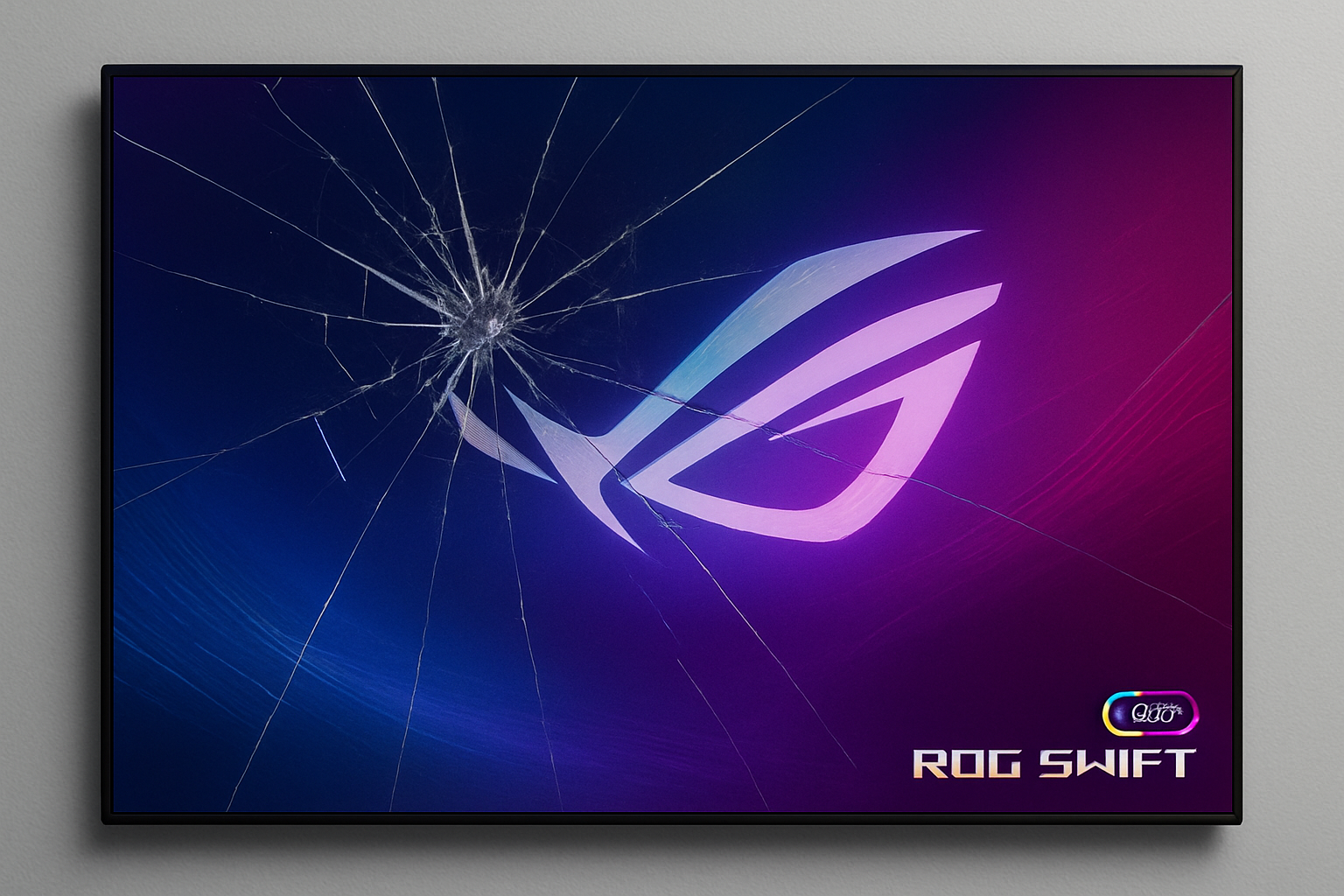
Buyers of the premium ROG Swift OLED PG32UCDM Gen3 gaming monitor are reporting cracked panels upon arrival, with experts pointing to inadequate, cost-cutting packaging as the primary cause.
Key Points
- ASUS ROG Swift OLED PG32UCDM Gen3 monitors are arriving with cracked panels.
- Analysis shows the box is only 4.7mm thick, thinner than competing models.
- The use of molded pulp instead of styrofoam provides inadequate shock absorption.
- Poor interior design leaves the screen vulnerable to direct impacts during transit.
- Affected customers are struggling through difficult RMA processes for replacements.
In the high-stakes world of premium gaming hardware, the ASUS ROG Swift OLED PG32UCDM Gen3 stands as a beacon of performance. With its cutting-edge display technology and top-tier specifications, it is marketed as the ultimate choice for enthusiasts. However, for many buyers, the excitement of unboxing this $1,299 monitor has quickly turned into frustration. Reports are flooding the OLED_Gaming subreddit, documenting a disturbing trend: these expensive monitors are arriving at customers' homes with cracked panels, and the blame is being placed squarely on ASUS's cost-cutting, inadequate packaging. The issue gained significant traction when Reddit user Rude-Employee7251 shared high-resolution photos of their brand-new monitor, which arrived with a distinct fracture in the lower-right corner. Their experience was not an isolated incident. Other users, including siouxsian, advice_throwaway323, and Gillersan, reported identical damage in the exact same location. For some, like Jonesy7mm and WriterConfident3186, the damage was catastrophic, resulting in extensive fractures that rendered the high-end OLED panels completely unusable. These users are now forced to navigate the tedious and lengthy Return Merchandise Authorization (RMA) process, a hurdle that no consumer should face when purchasing a premium-priced product. Technical analysis provided by community member 'winterbegins' sheds light on why these monitors are so vulnerable. By measuring the packaging materials, they discovered that the cardboard used for the PG32UCDM3 is only 4.7mm thick. In comparison, competing monitors like the LG G5 and KTC M27P6 utilize packaging that is 6.2mm thick. While a difference of 1.5mm might seem trivial to some, it represents a significant reduction in structural integrity. Furthermore, the PG32UCDM3, despite being a large 32-inch monitor, is packed in a box not much larger than that of a 27-inch display, offering little room for protective buffers. Beyond the outer box, the internal protection is arguably more problematic. ASUS has opted for molded pulp cardboard—commonly known as 'eggshell' material—rather than the high-density styrofoam that has long been the industry standard for fragile electronics. While eggshell pulp is environmentally friendly, it lacks the shock-absorbing properties required to protect a delicate OLED panel during the rigors of modern shipping logistics. The design is particularly flawed, as it features a large cutout in the lower half of the packaging. Because the monitor sits face-first with no padding between it and the box, any impact during transit is transferred directly to the screen. This situation raises serious questions about quality control and brand responsibility. When a company charges $1,299 for a product, the consumer expectation is that the packaging will be as premium as the hardware inside. The frequency of these reports suggests that this is not merely a string of bad luck but a systemic failure in packaging design. As the community continues to share their stories, the pressure mounts on ASUS to address these shortcomings. For the average gamer, the prospect of waiting weeks for a replacement due to poor shipping protection is unacceptable. Ultimately, this incident serves as a reminder that the best internal hardware is only as good as the packaging that ensures its safe delivery. Consumers are now calling for a return to more robust protective materials, such as thicker cardboard and high-density styrofoam, to prevent further damage. Until ASUS revisits its packaging strategy, potential buyers may want to exercise caution, as the high price tag unfortunately does not currently guarantee a safe arrival for the PG32UCDM3.
The Packaging Failure Explained
ASUS has moved toward a leaner packaging design for the PG32UCDM3, which has proven insufficient for the fragility of OLED panels. The 4.7mm cardboard thickness is significantly lower than industry standards, offering little resistance to external forces. Furthermore, the shift to molded pulp materials fails to provide the shock-dampening qualities found in traditional styrofoam. Combined with a design that leaves the panel face-down with minimal cushioning, the screen is highly susceptible to transit-related damage.
Customer Impact and Brand Reputation
The financial investment of $1,299 creates high expectations for the unboxing experience and product reliability. When these monitors arrive broken, it erodes trust in the ROG brand and forces users into lengthy replacement processes. ASUS now faces pressure to rectify these packaging issues to prevent further loss of consumer confidence and to avoid the logistical costs of repeated returns and replacements.
This article was drafted with AI assistance and editorially reviewed before publication. Sources are listed below.