
Google and Apple Begin Testing Encrypted RCS Between Android and iOS
A historic milestone for mobile messaging: Google and Apple have officially launched field testing for encrypted RCS communication across Android and iPhone platforms.
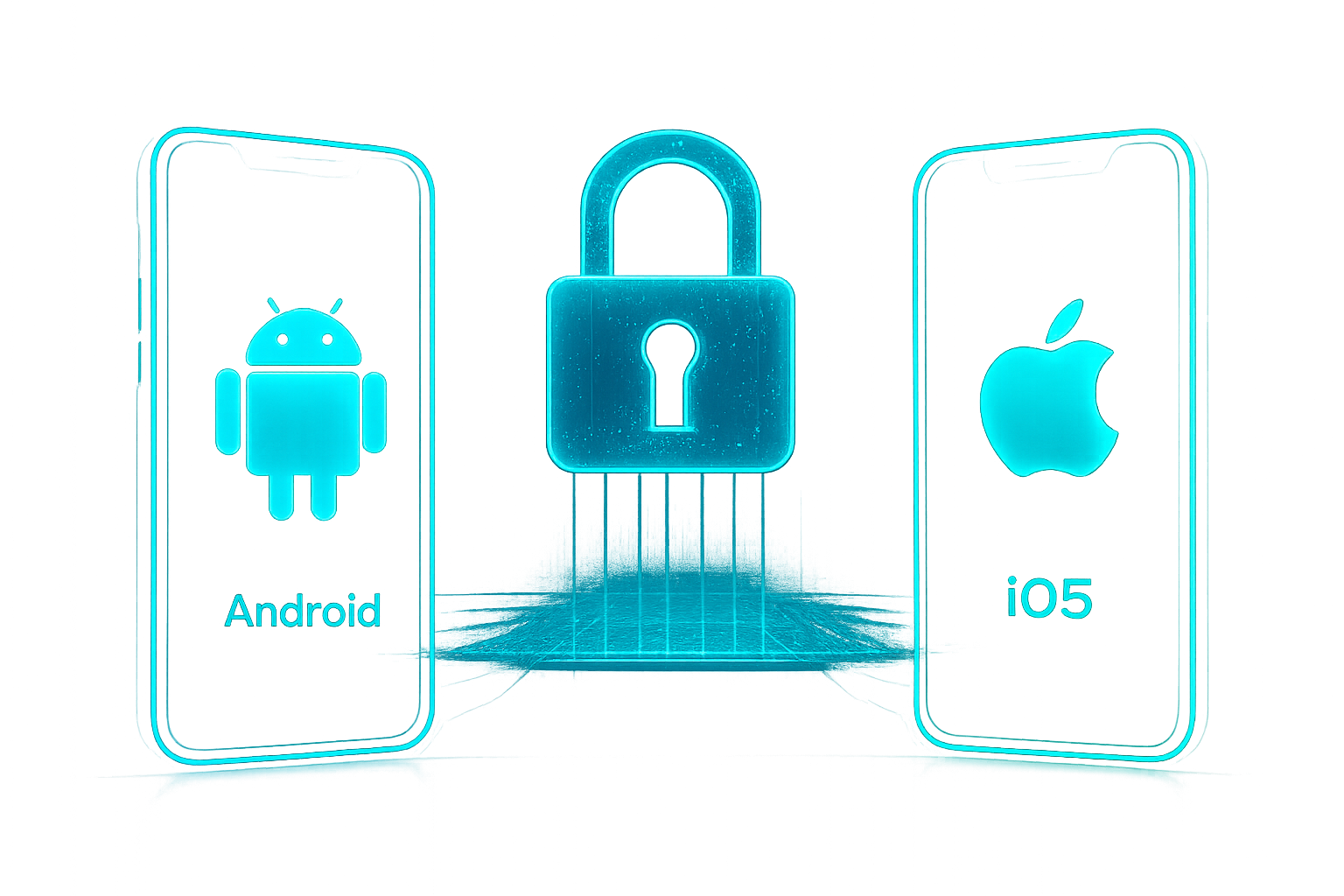
Key Points
- Launch of end-to-end encrypted RCS testing between Android and iOS.
- Version 26.4 update introduces advanced cross-platform messaging features.
- Significant enhancement of user privacy through robust encryption protocols.
- Bridging the long-standing technical divide between iMessage and Android.
- Support for premium features like typing indicators and high-quality media sharing.
In a long-awaited development for smartphone users globally, Google and Apple have officially announced the commencement of field testing for encrypted Rich Communication Services (RCS) messaging between Android and iOS. This milestone, arriving as part of the version 26.4 update cycle, marks a pivotal shift in the history of digital communication, effectively bridging the gap that has persisted for years between the iconic "blue bubbles" and "green bubbles." RCS technology relies on modern standards that enable advanced features such as real-time typing indicators, read receipts, and high-quality media sharing—capabilities that were long siloed within Apple’s iMessage ecosystem. With this update, users will finally be able to leverage End-to-End Encryption (E2EE) even when cross-platform messaging occurs between Android handsets and iPhones, significantly bolstering user privacy across the board. Historically, the friction between Google and Apple served as a significant bottleneck for the user experience. While Apple maintained its reliance on antiquated, unencrypted SMS and MMS protocols for cross-platform communication, Google campaigned for years to push for the adoption of open RCS standards. Today, driven by a combination of regulatory pressure and evolving market demands, the two tech giants have reached a level of cooperation that was once deemed impossible, ending an era of digital isolation. From a technical perspective, the implementation of encryption ensures that message content—whether text, images, or high-definition video—remains inaccessible to third parties, including service providers. This level of security is the gold standard in modern messaging apps like Signal and WhatsApp, and integrating it directly into native system messaging apps is a monumental win for user privacy. For the average consumer, this transition translates to an immediate improvement in daily communication. Users no longer need to fret over degraded photo quality or the absence of features like typing indicators when communicating across different operating systems. However, technical challenges remain, particularly regarding compatibility with legacy software versions, which both companies are currently addressing during this active testing phase. The implications of this shift extend far beyond simple feature parity; it fundamentally redefines how we interact with our devices. The convergence of software ecosystems suggests that users are no longer forced to choose a specific operating system just to guarantee a secure, high-fidelity communication experience. This movement may encourage further industry adoption of RCS standards, potentially leading to a more unified global messaging protocol. Ultimately, this testing phase represents the dawn of a new era. While the rollout is still in its infancy, the commitment from Google and Apple to provide encrypted, cross-platform solutions sends a powerful message regarding the necessity of data security in the digital age. We will continue to monitor the progress of these tests and their long-term impact on the mobile landscape in the coming weeks and months.
Revolutionizing Messaging Protocols
RCS technology represents the quantum leap the smartphone market has desperately needed. By transitioning away from archaic SMS protocols that have haunted mobile communication for decades, this technology paves the way for a rich, interactive messaging experience that meets modern standards. The primary hurdle has always been cross-platform interoperability, which is finally being addressed. With this update, communication between iPhone and Android users becomes both secure and intuitive. Users no longer need to rely on third-party applications to obtain encryption features, as these capabilities are now woven into the fabric of the operating system, setting a new benchmark for competitors in the market.
Security and Privacy as a Priority
End-to-end encryption serves as the backbone of this update. In an era where reliance on smartphones for both professional and sensitive personal communication is at an all-time high, this move reassures users that their data is shielded from external intrusion and potential interception. This shift exerts positive pressure on other industry players to adopt similar security standards. When encryption becomes the default standard, companies that fail to provide these features become less attractive to privacy-conscious consumers, thereby strengthening the security of the broader digital landscape.
This article was drafted with AI assistance and editorially reviewed before publication. Sources are listed below.