
Google's Tensor G6 Rumored to Pair with New Titan M3 Security Chip
Reports suggest Google is preparing to bolster Pixel security by pairing the upcoming Tensor G6 with a new Titan M3 security coprocessor, marking a significant evolution in hardware protection.
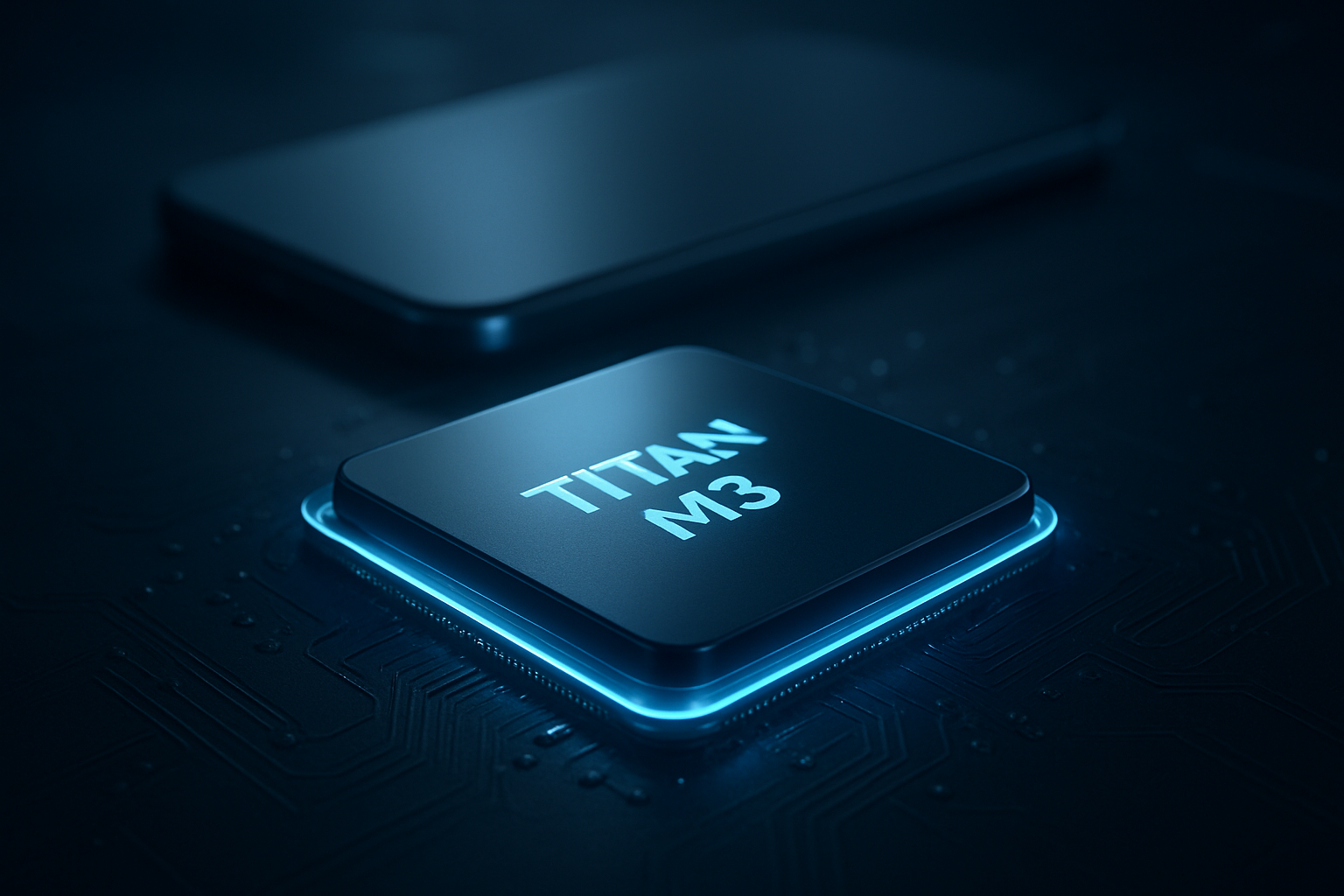
Key Points
- Google is developing the Titan M3 security coprocessor to pair with the upcoming Tensor G6.
- The move continues a lineage starting from the original Titan M in 2018 and the Titan M2 in the first Tensor generation.
- Dedicated hardware isolation ensures sensitive data remains protected from main processor compromises.
- The integration aims to provide faster, more secure handling of biometrics, encryption, and payments.
- This evolution reinforces Google's 'security-first' hardware design strategy within the Pixel ecosystem.
Google is positioning itself for a significant leap in mobile security as reports emerge regarding the development of the Titan M3 security coprocessor. This upcoming hardware component is rumored to be paired with the future Tensor G6 silicon, marking a pivotal moment as Google approaches the tenth anniversary of its Pixel brand and the five-year milestone of its custom chip journey. The integration of Titan M3 represents a strategic evolution in the company's commitment to hardware-level protection against increasingly sophisticated digital threats. To understand the significance of Titan M3, one must look back at the origins of Google's custom silicon efforts. The journey began in 2018 with the introduction of the original Titan M chip in the Pixel 3, a dedicated module designed to isolate sensitive data and cryptographic keys from the main processor. When Google transitioned to its proprietary Tensor chips, the Titan M2 was introduced to provide a more cohesive security architecture. Now, the Titan M3 is expected to refine this integration further, likely offering lower latency and higher processing power for security-critical tasks. Why does this matter for the average consumer? Today's smartphones are digital vaults containing everything from banking credentials to biometric data. By utilizing a dedicated coprocessor like the Titan M3, Google ensures that security operations remain physically separated from the main CPU and GPU. This architectural isolation is crucial; even if an attacker manages to compromise the operating system, the most sensitive information remains locked within the secure environment of the Titan chip, virtually inaccessible to external exploits. In the competitive landscape of mobile technology, Google’s approach stands out. While many manufacturers rely on integrated security features within standard processors, Google’s commitment to a dedicated coprocessor demonstrates a 'security-first' design philosophy. This strategy allows the company to iterate on security hardware independently of the main Tensor chip's development cycle. As we look ahead, the synergy between the Tensor G6 and the Titan M3 will likely empower developers to leverage more robust encryption standards, improving everything from device unlocking speeds to secure mobile payment transactions. Furthermore, the introduction of Titan M3 will likely have a ripple effect on the Android ecosystem. By providing deeper hooks for security APIs, Google is enabling a more secure environment for third-party applications, particularly those in the fintech and identity management sectors. Users can expect that their future Pixel devices will not only be faster due to the Tensor G6 but also substantially more resilient against zero-day vulnerabilities. This makes the Pixel ecosystem a compelling choice for privacy-conscious users and enterprise professionals alike. Ultimately, the move toward Titan M3 illustrates the maturity of Google's hardware division. By controlling both the primary processing unit and the security coprocessor, Google is creating a 'walled garden' of security that is difficult for competitors to replicate. As we wait for official announcements, the industry is watching closely to see how these hardware improvements will translate into real-world performance gains. One thing is certain: Google is doubling down on its hardware strategy, ensuring that the next generation of Pixel devices remains at the forefront of mobile security technology.
The Evolution of Pixel Security
Google’s foray into custom security hardware began in 2018, aiming to create a dedicated bastion for cryptographic operations. Since the original Titan M, the company has consistently refined these chips to handle more complex tasks with lower energy consumption and higher throughput. With the Titan M3, Google is set to push the boundaries of what is possible in mobile hardware. By working in tandem with the Tensor G6, the new coprocessor will likely introduce advanced countermeasures against modern attack vectors, ensuring that the Pixel remains a fortress for user data.
Impact on Developers and Consumers
For consumers, the benefits of the Titan M3 are largely invisible but essential. Users will experience faster, more reliable biometric authentication and safer digital payments, all while maintaining the privacy of their personal information. For developers, the Titan M3 will provide a more capable sandbox for running secure code. This will encourage the creation of high-security applications, further solidifying the Pixel's reputation as the go-to device for users who prioritize privacy and security in their mobile experience.
This article was drafted with AI assistance and editorially reviewed before publication. Sources are listed below.