
Back to the Roots: SDL Officially Adds DOS Support
The iconic SDL library has officially added support for DOS, opening new doors for developers to revive legacy software on classic hardware and modern emulators.
Key Points
- Official support for DOS added to the SDL library.
- Full support for Sound Blaster 16 and Sound Blaster Pro audio.
- Advanced implementation of threading and interrupt handling.
- CMake-based cross-compilation support for DOS targets.
- Hardware-accelerated performance via VESA 1.2+ and page-flipping.
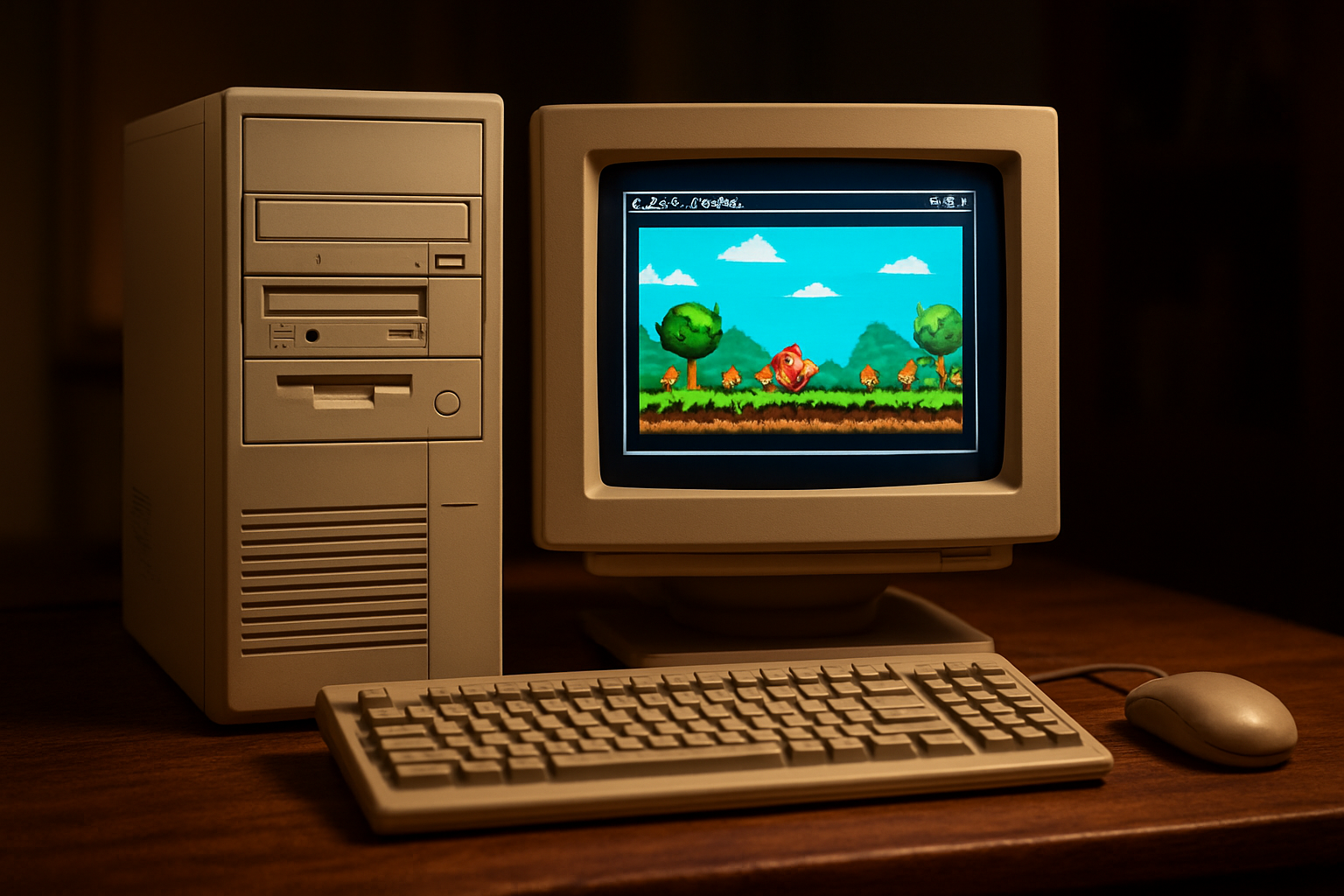
In a surprising and nostalgic turn for the software development community, the team behind the Simple DirectMedia Layer (SDL) library has officially announced full support for DOS. This development, which surfaced through a comprehensive pull request on the library's GitHub repository, marks a significant milestone for developers dedicated to digital preservation and legacy software creation. A group of notable contributors, including icculus, AJenbo, and jayschwa, collaborated to deliver this port, effectively bridging the gap between modern SDL 3 capabilities and the constraints of the classic DOS environment. SDL has long been the backbone of cross-platform game development, providing a unified API for interacting with hardware such as GPUs, sound cards, and input devices. By introducing DOS support, developers can now leverage modern SDL features to build applications targeting 1990s-era PCs or modern emulators like DOSBox. The project is far from a simple hobbyist tweak; it is a complex technical integration involving memory management, interrupt handling, and direct hardware interaction that was previously the sole domain of assembly language programming. Technically, the new port is robust. In terms of video, it supports VGA and VESA 1.2+ framebuffers, including RGB and 8-bit indexed color modes. Crucially, it incorporates hardware page-flipping with VSync, ensuring smooth graphical output. Audio support is equally impressive, covering Sound Blaster 16 (16-bit stereo up to 44.1 kHz), Sound Blaster Pro, and standard Sound Blaster 2.0/1.x hardware. All audio processing is handled via IRQ-driven DMA, which provides low-latency output essential for gaming. Programming in DOS presents challenges vastly different from modern operating systems like Windows or Linux. To handle threading, the developers implemented a cooperative scheduler using setjmp and longjmp with stack patching, drawing conceptual inspiration from the PlayStation 2 port. This approach ensures that audio and other threads remain responsive even in a single-tasking environment. The build system relies on a CMake cross-compilation toolchain targeting DJGPP, which allows modern developers to compile code for DOS seamlessly. For developers eager to test this port, the build process is straightforward, requiring a specific CMake toolchain file for the i586-pc-msdosdjgpp environment. The contributors have tested the port extensively using DevilutionX within DOSBox, confirming that the implementation is stable. The project also includes support for PS/2 keyboard extended scancodes, INT 33h mouse sensitivity, and BIOS-based joystick auto-calibration, covering the primary input methods of the DOS era. One of the more interesting aspects of this port is its handling of the filesystem and system timers. It utilizes DJGPP’s POSIX layer for file operations and a native PIT-based timer running at ~1.19 MHz for high-resolution timing. While shared library loading (SDL_LoadObject) and audio recording are currently not included, the core functionality—rendering, input, and audio playback—is fully functional, allowing for a wide range of applications to run on legacy hardware. This release is particularly important for the retro gaming community. It allows developers to move away from archaic, non-maintained libraries and instead utilize the modern, feature-rich SDL 3 API for their DOS projects. This reduction in technical friction means that creating software for classic hardware is now more accessible than ever. It also provides a path for modern open-source games to be ported to classic systems, effectively preserving them for future generations of enthusiasts. In conclusion, the addition of DOS support to SDL is a testament to the power of community-driven open-source development. The effort required to manage complex hardware tasks like DMA and IRQ handling is significant, yet the contributors have managed to make it look effortless. As the tech industry constantly pushes forward into new paradigms, this project serves as a vital reminder that the foundations of computing, even those from the DOS era, remain relevant and worth maintaining. For developers and retro enthusiasts alike, this update is a major win for the preservation of computing history.
Technical Innovation in a Legacy Environment
The SDL DOS port relies on ingenious architectural choices to bypass the limitations of vintage hardware. By employing techniques like cooperative scheduling and DMA, the developers have successfully made a modern library run smoothly on devices with extremely constrained resources. This not only enhances gaming performance but also opens the door for more complex software applications. The ability to interface with classic sound cards like the Sound Blaster series and manage the framebuffer directly through VESA demonstrates the deep technical expertise of the contributors. These features were previously difficult to access for developers relying on high-level programming languages.
Impact on Developers and Emulation
This update is a major win for indie game developers and retro gaming enthusiasts. Thanks to SDL support, developers no longer need to delve into the complex, hardware-specific assembly code for every sound card or display controller, significantly accelerating the software development cycle. Furthermore, the compatibility of this port with emulators like DOSBox ensures that software written using SDL will run perfectly on both modern and legacy systems, ensuring the longevity of software across time.
This article was drafted with AI assistance and editorially reviewed before publication. Sources are listed below.