
Steam to Introduce Predicted FPS Feature Before Game Purchases
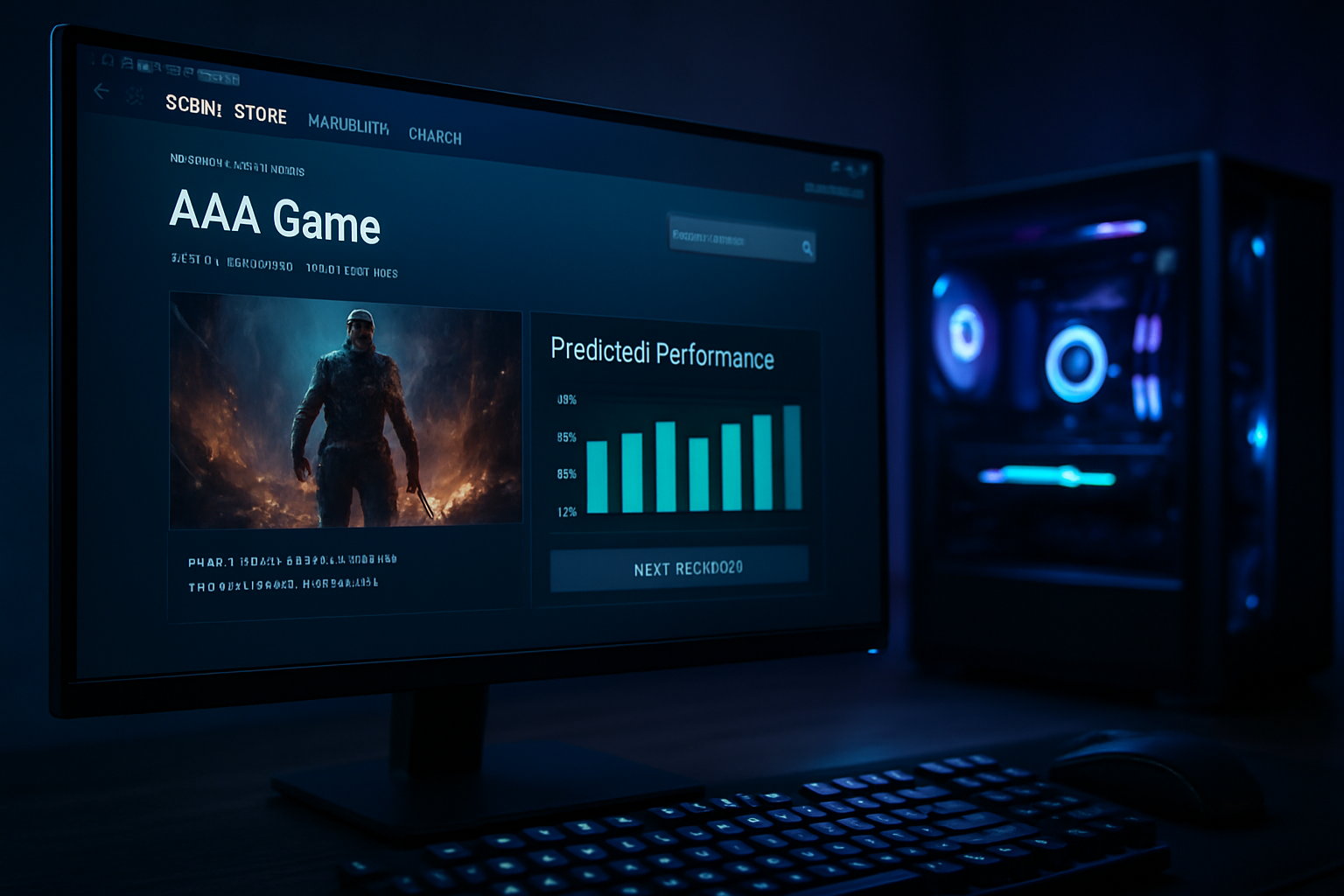
Steam is preparing a revolutionary feature that allows gamers to see predicted FPS for their specific hardware before purchasing a game, using community-driven performance data.
Key Points
- Steam is developing a new feature to predict FPS based on user hardware.
- The system utilizes crowdsourced performance data from users with similar rigs.
- Replaces or supplements vague traditional system requirements.
- Designed to reduce refund rates by building consumer confidence.
- Provides vital performance transparency for mid-range and legacy PC users.
In a move that promises to redefine the digital storefront experience for PC gamers, Valve is reportedly developing a sophisticated feature for the Steam platform designed to answer the most pressing question for any buyer: 'Will this game actually run well on my rig?' According to recent leaks found within the platform's files, Steam is working on an intelligent system that predicts the frames per second (FPS) a user can expect based on their specific hardware configuration. This innovative approach relies on the power of crowdsourced data. Rather than relying solely on the often vague and static system requirements provided by developers, Steam plans to aggregate performance data from a vast pool of users with similar CPUs, GPUs, and RAM configurations. When a user visits a game's store page, the system will cross-reference their specific hardware against this massive database to provide a tailored performance estimate. This removes the guesswork, allowing gamers to make informed decisions without scouring YouTube benchmarks or tech forums. This development is a natural evolution of previous efforts by Valve to integrate hardware transparency into the Steam ecosystem. In the past, the company allowed users to list their system specifications within their game reviews, providing context for their performance feedback. By formalizing this into a predictive system, Valve is turning individual contributions into a powerful, community-driven analytical tool. This feature is particularly vital for gamers with mid-range or aging hardware, who often struggle to gauge whether a modern title is optimized for their specific setup. From an industry standpoint, this feature could significantly impact the game refund ecosystem. Currently, many players purchase games only to find out they are unplayable, leading to a high volume of refund requests. By providing accurate performance expectations upfront, Steam can foster greater consumer confidence and reduce the friction associated with trial-and-error purchases. Furthermore, it creates a transparent environment where developers are incentivized to optimize their games, as performance metrics will be visible to the entire community before a sale is finalized. As the gaming landscape evolves—with an increasing number of titles utilizing AI-driven assets and pushing the boundaries of graphical fidelity—this feature arrives at an opportune moment. While technical details regarding how the system handles varying graphical presets (like Low vs. Ultra settings) remain to be seen, the direction is clear: Valve is committed to making PC gaming more accessible and transparent. This is a significant step forward for the platform, and one that highlights why Steam remains the dominant force in digital PC gaming.
The Mechanics of Performance Prediction
The system functions by tapping into a vast, community-generated database of real-world performance metrics. By comparing a user's unique hardware profile—specifically their CPU, GPU, and memory—against similar configurations that have already run the game, Steam can generate a reliable FPS estimate. This moves beyond the static and often outdated 'Minimum' or 'Recommended' requirements. Instead, it offers a dynamic, data-backed expectation of the actual gaming experience, allowing users to make decisions based on real-world performance rather than developer marketing claims.
Industry Impact and Consumer Confidence
For consumers, this feature acts as a safeguard, significantly reducing the uncertainty of digital purchases and lowering the frequency of refund requests. It empowers gamers with mid-range hardware to know exactly what they are getting into before committing their funds. For developers, the feature introduces a new level of accountability. With performance metrics displayed prominently, there is a greater incentive to prioritize game optimization. This transparency could lead to higher overall quality standards for games released on the Steam platform.
This article was drafted with AI assistance and editorially reviewed before publication. Sources are listed below.