
Vivo X300 Ultra: The Ultimate Android Video Smartphone
Vivo launches the X300 Ultra, setting a new benchmark for mobile cinematography with advanced video-centric camera hardware.
Key Points
- Heavy focus on video quality as the primary USP.
- Large sensor hardware for superior low-light performance.
- Advanced OIS stabilization mimicking professional gimbals.
- Flagship chipset supporting seamless 8K video processing.
- 120W fast-charging to support power-hungry video workflows.
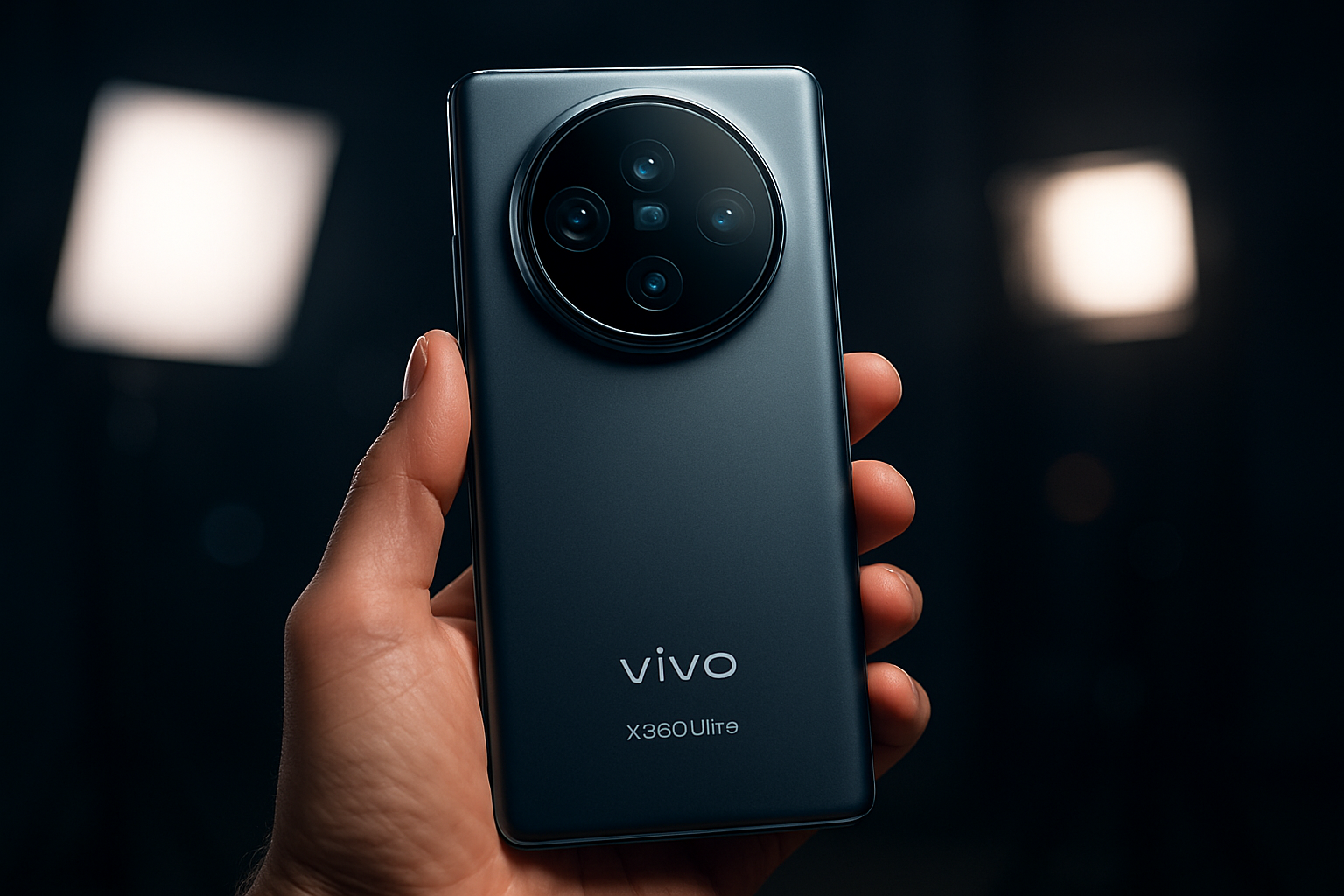
In a bold move to redefine mobile cinematography, Vivo has officially unveiled its latest flagship, the Vivo X300 Ultra. In an era where smartphone competition is centered on camera prowess, Vivo has strategically pivoted toward video performance as its primary differentiator. By targeting content creators and mobile filmmakers, the company is positioning the X300 Ultra not just as a communication tool, but as a professional-grade video production device that fits in one's pocket. The design philosophy behind the X300 Ultra is rooted in the convergence of high-end hardware and sophisticated AI-driven software processing. Vivo has moved beyond simply increasing megapixels; instead, they have re-engineered the entire image signal processing pipeline to prioritize video stability, color accuracy, and dynamic range in challenging lighting conditions. This focus on 'computational cinematography' allows the device to extract professional results from compact sensors that would otherwise struggle in low light. Under the hood, the X300 Ultra boasts a sophisticated multi-lens array developed in partnership with optics experts. The primary sensor is exceptionally large, designed to maximize light intake and minimize digital noise in night-time footage. Furthermore, the device introduces next-generation optical image stabilization (OIS) that mimics the performance of a dedicated gimbal, allowing for buttery-smooth handheld footage even during active movement. This hardware advancement addresses one of the most significant pain points for mobile videographers. Beyond its camera capabilities, the hardware ecosystem of the X300 Ultra is built for power users. The device features a high-refresh-rate OLED panel, ensuring that creators can monitor their footage with perfect color accuracy and fluidity. Power management is handled by a massive battery paired with 120W fast-charging, ensuring that the phone can keep up with the intensive power demands of 4K and 8K recording sessions. The integration of Qualcomm’s latest flagship chipset ensures that heavy video editing tasks can be performed directly on the device without thermal throttling. Vivo’s plan for a global launch signals its intent to challenge the established dominance of industry giants in international markets. For consumers, this release represents a shift toward specialized hardware that caters to the creator economy. As short-form video continues to dominate social media, the demand for devices that can deliver cinematic quality has never been higher. With the X300 Ultra, Vivo is betting that the future of the smartphone is defined by its ability to capture, process, and share video content with professional flair.
The Video Revolution
The Vivo X300 Ultra represents a paradigm shift in mobile videography, blending large-format sensors with advanced computational algorithms. The system prioritizes dynamic range and low-light performance, ensuring cinematic results even in challenging environments.
Hardware and Performance
Equipped with the latest Qualcomm flagship processor, the device excels at handling high-bitrate 8K video files. The 144Hz OLED display provides a professional-grade canvas for mobile editing, ensuring color accuracy and fluid playback for creators on the go.
This article was drafted with AI assistance and editorially reviewed before publication. Sources are listed below.