
Wispr Flow Dramatically Improves Android Voice Typing
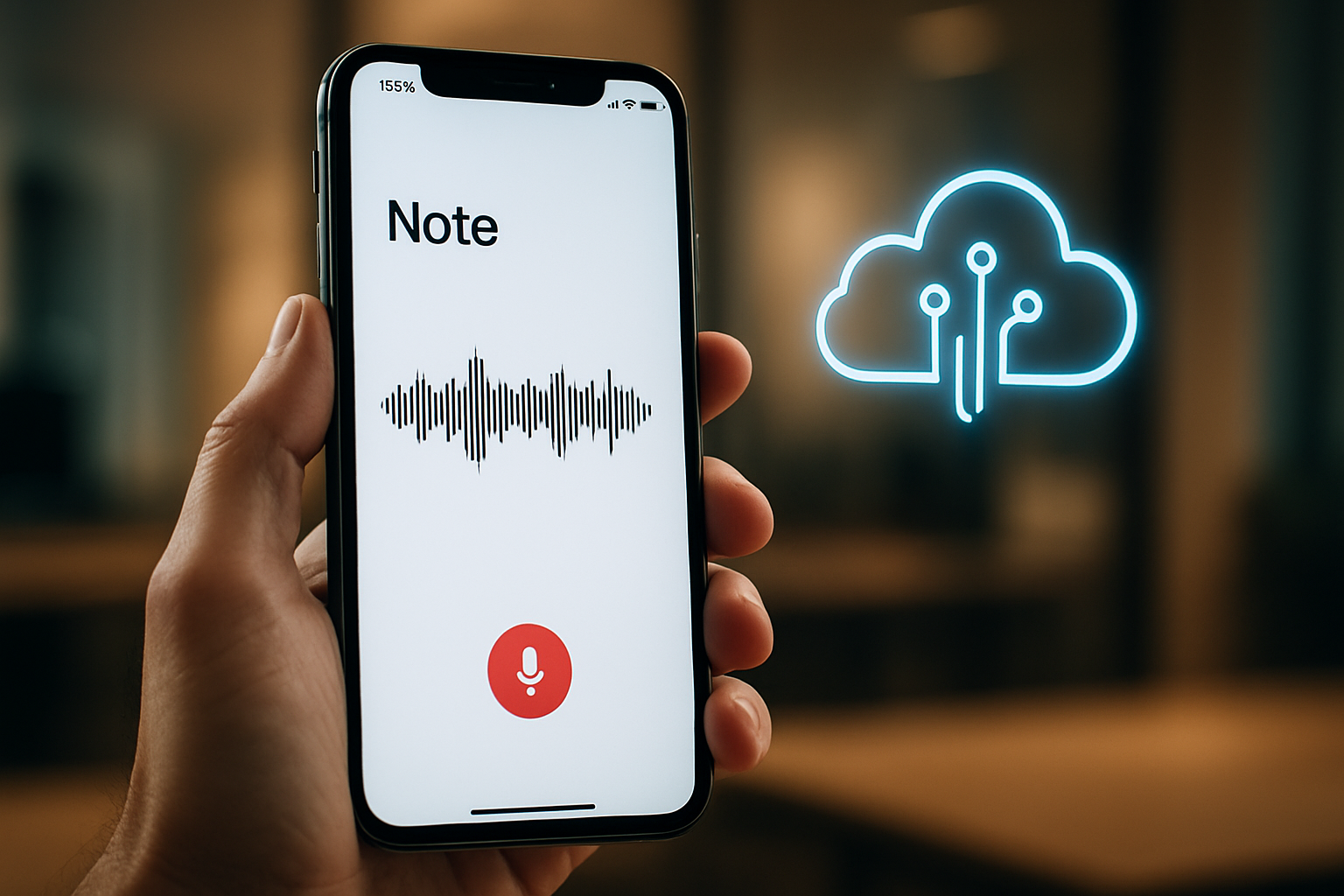
The new Wispr Flow app promises to transform voice-to-text on Android, offering superior accuracy without requiring users to replace their preferred keyboard.
Key Points
- Wispr Flow enhances Android voice typing without requiring a keyboard replacement.
- Offers superior accuracy in understanding accents and natural speech patterns.
- Functions as an auxiliary tool compatible with any preferred keyboard app.
- Reduces latency to provide a near-instantaneous transcription experience.
- Challenges Google's exclusive AI-driven voice features on Pixel devices.
Voice-to-text technology on Android has long been a tale of two worlds. If you own a Google Pixel, you have enjoyed a seamless, AI-powered experience that feels like magic. However, for the vast majority of Android users on other devices, the experience has historically been a mixed bag of hit-or-miss accuracy and latency issues. Enter Wispr Flow, a new application designed to bridge this gap, offering a premium voice-to-text experience that doesn't force you to abandon your favorite keyboard, be it Gboard, SwiftKey, or any other third-party solution. Historically, improving Android voice typing meant installing a completely new keyboard app. This often resulted in a frustrating compromise: you gained better voice recognition but lost the muscle memory, custom dictionaries, and predictive text capabilities that made your primary keyboard useful. Wispr Flow breaks this paradigm by functioning as an overlay or an auxiliary service. It captures your speech, processes it through advanced machine learning models, and inserts the resulting text into any text field, effectively acting as an intelligent bridge between your voice and your apps. At the core of Wispr Flow is a sophisticated language model trained to handle natural speech patterns, diverse accents, and the erratic pacing of human conversation. Unlike older systems that required users to speak in a robotic, measured cadence to be understood, Wispr Flow is designed to keep up with the natural flow of thought. For power users, journalists, and students who rely on voice-to-text to capture ideas quickly, this represents a significant shift in workflow productivity, drastically reducing the time spent manually editing transcription errors. This development is particularly significant in the context of the current smartphone landscape. Google has been aggressively gatekeeping its best AI features for the Pixel lineup and Google One subscribers. By providing a high-performance alternative that works across a wider spectrum of Android hardware, Wispr Flow challenges this ecosystem lock-in. It forces a conversation about whether basic utility features like accurate speech-to-text should be standard across all Android devices or kept as a premium differentiator. Technically, Wispr Flow excels by prioritizing low latency. In voice recognition, the delay between speaking and seeing the text appear is the primary friction point. Wispr Flow minimizes this by optimizing the pipeline between local device processing and cloud-based inference. This ensures that the text appears almost instantaneously, making it viable for rapid-fire communication, such as responding to Slack messages or drafting quick emails on the go. Another compelling aspect of the app is its potential for customization. Users can theoretically leverage the app's understanding of context to recognize technical jargon, specific industry terms, or specialized vocabulary that standard models often struggle with. This makes it a potential tool for professionals in sectors like medicine or law, where transcription accuracy is non-negotiable. It essentially gives the user a personalized dictation assistant that grows smarter as they use it. Ultimately, Wispr Flow is more than just a utility; it is a testament to how third-party developers can innovate within the Android ecosystem to fix long-standing pain points. As AI continues to evolve, the expectation for voice-to-text will only rise. Users are no longer willing to settle for "good enough" when they know that modern hardware is capable of so much more. By integrating seamlessly with existing workflows, Wispr Flow sets a high bar for what mobile dictation should look like in the coming years.
Revolutionizing Voice-to-Text
Wispr Flow is transforming how Android users interact with their devices by turning voice dictation into a precise and reliable tool. Rather than relying on standard system tools that may lack consistency outside the Google Pixel ecosystem, the app utilizes advanced AI models to process human speech with remarkable fluency. This means users no longer have to compromise between professional-grade voice recognition and their preferred keyboard layouts. Whether you are a loyal Gboard user or prefer the customization of SwiftKey, Wispr Flow operates as an unobtrusive layer, ensuring your voice is transcribed accurately without disrupting your established digital workflow.
Integration and Productivity
The value of Wispr Flow extends beyond mere accuracy; it is fundamentally about integration and speed. By focusing on low-latency processing, the app allows users to dictate long-form content or capture fleeting thoughts without the frustrating lag that historically plagued third-party voice apps. Furthermore, the app's ability to adapt to specialized jargon significantly boosts productivity for professionals. By minimizing the need for manual cleanup and repetitive editing, Wispr Flow empowers users to focus on the substance of their communication, making it an essential utility for anyone looking to maximize their efficiency on mobile.
This article was drafted with AI assistance and editorially reviewed before publication. Sources are listed below.