
Xbox Project Helix: Is Microsoft Backtracking on Open Store Promises?
New comments from Xbox CEO Asha Sharma have cast doubt on the future of Project Helix, leaving fans wondering if the open-platform dream is fading.
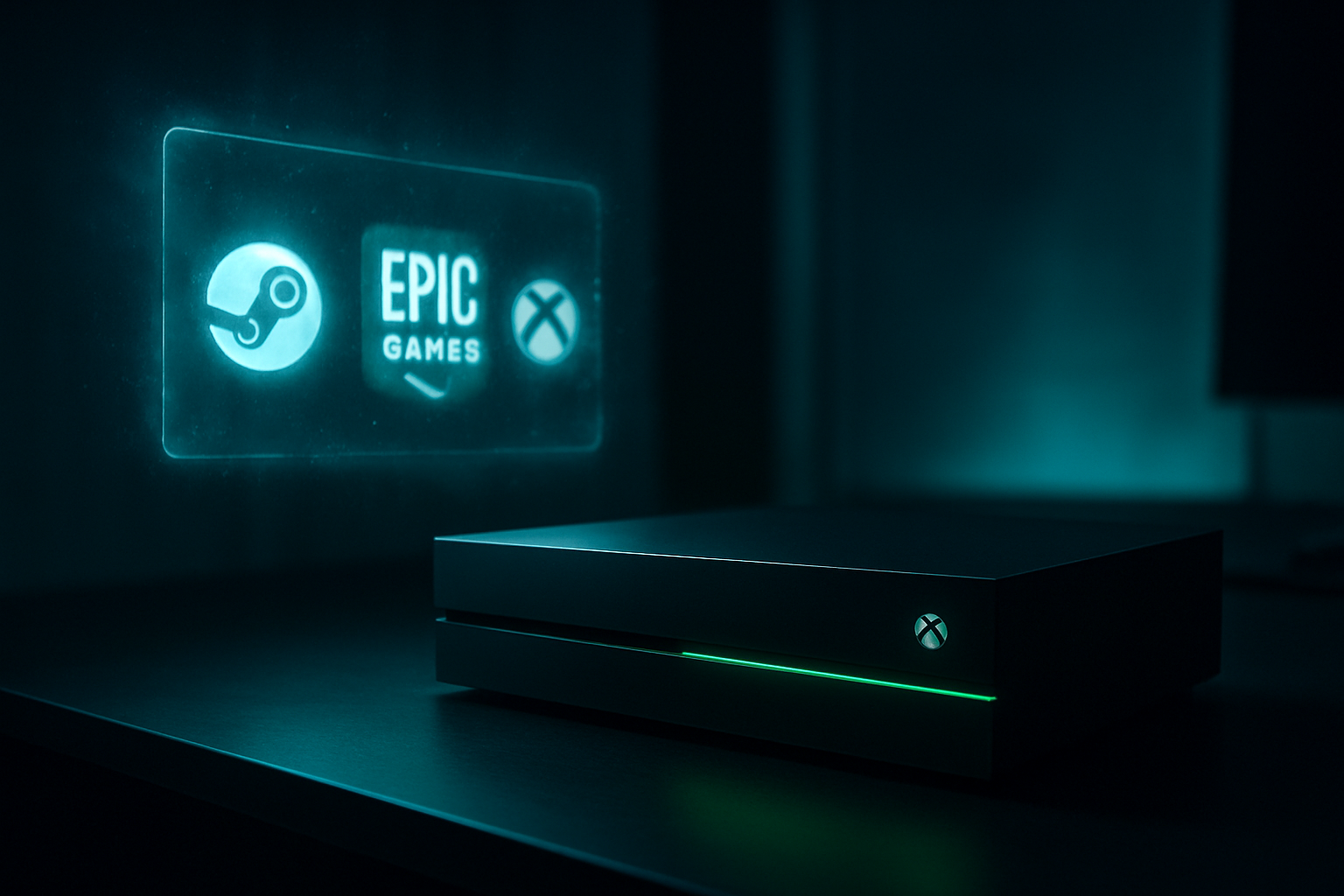
Key Points
- Uncertainty surrounds the integration of Steam and Epic stores on Project Helix.
- CEO Asha Sharma notes that previous store discussions were under prior leadership.
- Microsoft is shifting focus away from full third-party store integration.
- Project Helix will maintain a strong focus on first-party Xbox experiences.
- Hardware performance is rumored to match a $3,000 high-end gaming PC.
As the gaming community eagerly awaits the next generation of Xbox hardware, codenamed Project Helix, the landscape of expectations is shifting dramatically. For months, the narrative surrounding this console was one of disruption: a hybrid machine that would bridge the gap between the specialized console experience and the vast, open ecosystem of PC gaming. The prospect of accessing Steam or the Epic Games Store directly on a console was the feature that defined the project's allure, promising to finally end the walled-garden era of console gaming. However, a recent interview between veteran journalist Stephen Totilo and the new Xbox CEO, Asha Sharma, has introduced a heavy dose of uncertainty. When pressed about previous claims from Epic Games—which suggested that Microsoft was open to hosting third-party storefronts on its next-gen hardware—Sharma offered a strikingly cautious response. She emphasized that those discussions occurred under previous leadership and that she was not a participant in those specific talks. This diplomatic distance suggests that the current administration is re-evaluating the fundamental philosophy behind Project Helix. This shift in messaging is significant. Rather than confirming the integration of competing digital storefronts, Sharma focused on broader, more ambiguous goals, such as making the platform "open to creators" and allowing for deeper user customization. While these are positive attributes, they are a far cry from the concrete promise of platform interoperability that many enthusiasts were expecting. It appears that Microsoft is hitting the reset button on its digital strategy, potentially delaying or abandoning the dream of an open-market console platform to prioritize the traditional first-party experience. Furthermore, internal confirmations from Xbox’s Jason Ronald have reinforced the notion that Project Helix will remain, at its core, a proprietary first-party device. While the hardware is rumored to be a powerhouse—potentially rivaling a $3,000 high-end gaming PC—the software limitations remain the elephant in the room. If the console is restricted to the Xbox store, the "hybrid" identity becomes questionable. For many gamers, the value proposition of a new console is tied to the flexibility of their existing libraries. If that flexibility is stripped away, the appeal of Project Helix may dwindle, especially among the pragmatic audience that values consumer choice over brand loyalty. This development raises critical questions about Microsoft's identity in the current market. Critics and industry analysts have already voiced concerns about the brand losing its focus, and this potential backtrack on open-store promises could exacerbate those fears. If the company ultimately decides to keep the platform closed, it will face a difficult task in convincing consumers that the new hardware offers enough innovation to justify an upgrade. The gap between the "PC-like" performance of the hardware and the "console-like" restrictions of the software could be the defining conflict of this upcoming generation. Ultimately, we find ourselves back at square one. While Sharma did not explicitly say "no" to third-party stores, her hesitation is a clear signal that the vision for Project Helix is in flux. As fans, we are left to wonder if the vision of a truly open console was a premature dream or a strategic goal that has simply been deprioritized. For now, the future of Project Helix remains a high-stakes guessing game, and the gaming world will be watching closely to see if Microsoft chooses to fulfill its potential or play it safe.
Strategic Re-evaluation
Microsoft's strategy for Project Helix is undergoing a significant re-evaluation under the guidance of new CEO Asha Sharma. Recent comments suggest a potential retreat from the ambitious 'open-platform' vision that aimed to integrate third-party storefronts, leaving the console's ultimate identity in question. The company appears to be navigating the delicate balance between attracting PC enthusiasts and maintaining the traditional console business model. This hesitation underscores the logistical and strategic challenges of merging distinct software ecosystems into a single hardware unit.
Performance vs. Software Constraints
While technical rumors suggest that Project Helix could deliver performance comparable to a $3,000 gaming PC, raw power may not be enough if software restrictions remain in place. Gamers are increasingly vocal about their desire for freedom of choice regarding digital storefronts. Market competition demands more than just top-tier specs; it requires a user-centric approach that offers flexibility. If Microsoft fails to meet these expectations, the console may struggle to distinguish itself from existing, more flexible alternatives.
This article was drafted with AI assistance and editorially reviewed before publication. Sources are listed below.