Zerocam 2.0 Update: Pure Android Photography Without AI Overprocessing
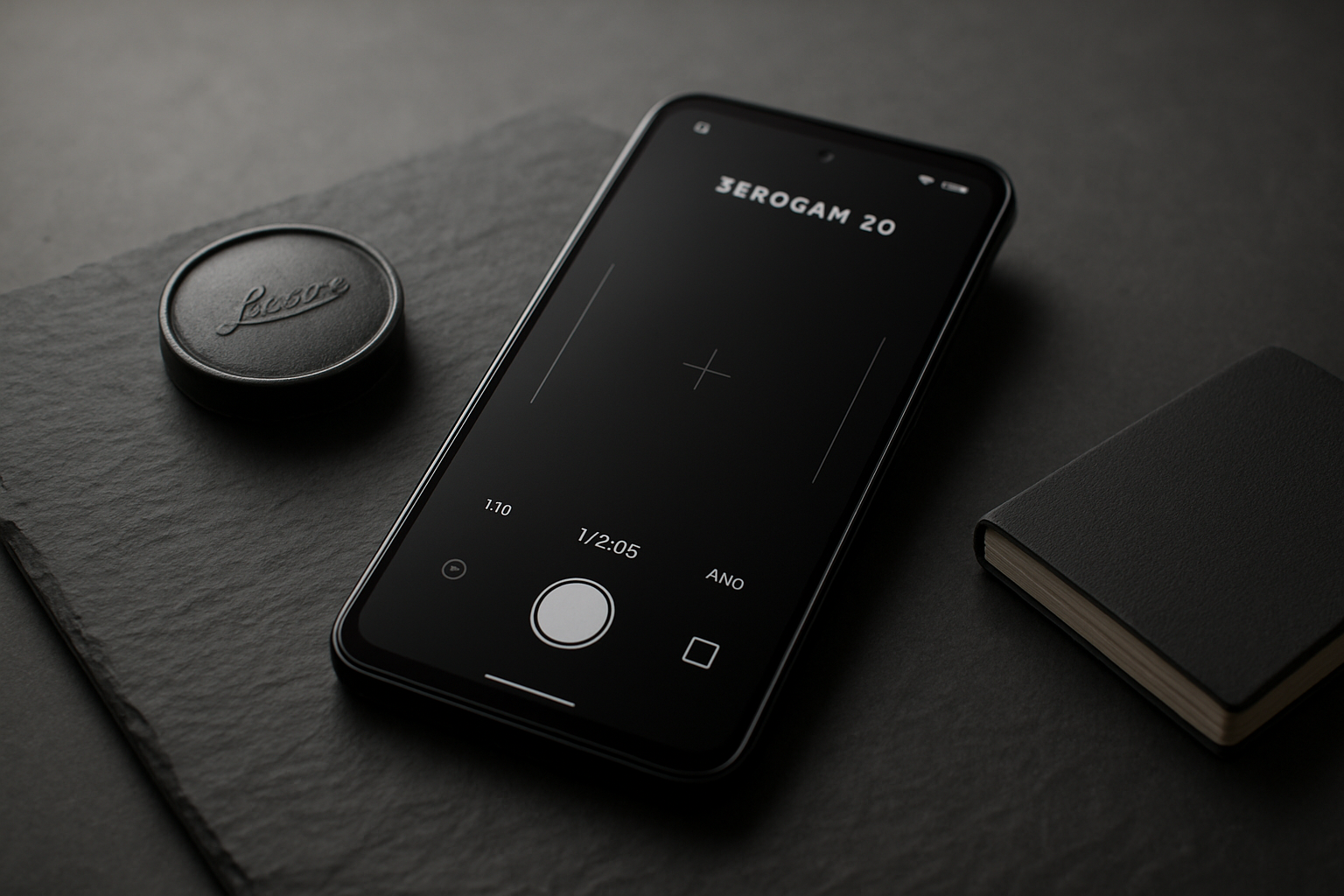
The Zerocam 2.0 update arrives, revolutionizing mobile photography by adding color profiles and multi-lens support while strictly avoiding intrusive AI image processing.
Key Points
- Zerocam 2.0 update launched for Android, reinforcing the commitment to pure photography.
- New color profiles added to provide cinematic aesthetics without AI intervention.
- Expanded multi-lens support (ultra-wide and telephoto) for greater creative flexibility.
- Maintains a strict policy against automatic AI overprocessing.
- Designed for photographers who prioritize raw, natural image quality over algorithmic enhancement.
In a digital landscape where AI-driven algorithms dictate every aspect of our photography—from aggressive contrast boosting to the artificial smoothing of facial features—Zerocam has emerged as a sanctuary for those seeking authenticity. Since its debut on Android in 2024, the application has cultivated a dedicated user base by adhering to a simple yet radical promise: no AI, no overprocessing, and no intrusive computational photography. Today, with the launch of the Zerocam 2.0 update, the platform takes a significant leap forward, introducing highly requested features that bridge the gap between amateur convenience and professional-grade control. The ubiquitous 'phone look' has become a point of contention among photography enthusiasts. Modern smartphone cameras frequently apply heavy-handed processing that results in images with unnatural color saturation, crushed shadows, and a sterile, artificial aesthetic. Zerocam 2.0 directly addresses these issues by allowing users to bypass the manufacturer's default processing pipeline entirely. By doing so, it preserves the integrity of the light captured by the sensor. The introduction of new color profiles in this update is a masterstroke, offering users the ability to apply a specific, timeless aesthetic to their photos without resorting to the destructive, automated adjustments that define contemporary mobile photography. Perhaps the most significant technical improvement in the 2.0 update is the expanded support for multi-lens camera systems. Previous versions were often limited to the primary sensor, which restricted creative composition. Now, users can seamlessly switch between ultra-wide, wide, and telephoto lenses, ensuring that the 'pure' photographic experience is consistent regardless of the focal length chosen. This change is vital for street photographers, landscape artists, and portrait shooters who require versatility without sacrificing the image quality that Zerocam is known for. The importance of this update lies in its role as a counter-movement to the current industry trend of 'computational over-reliance.' While tech giants are pouring billions into generative AI to fix photos after the shutter is pressed, Zerocam empowers the photographer to get the shot right at the moment of capture. It functions as a purist's tool, ensuring that the image displayed on the viewfinder is a faithful representation of the scene. This approach is not only refreshing but also serves as an excellent educational tool for those looking to master the fundamentals of exposure, white balance, and composition. When we look at the evolution of mobile photography, Zerocam occupies a unique niche. While competitors like Google’s Camera app (GCam) or Samsung’s native software are designed to make every photo 'pop' for social media, Zerocam is designed to make photos look 'real.' This philosophy mirrors the resurgence of film photography and manual camera controls. It appeals to a growing demographic of users who are experiencing 'AI fatigue'—a phenomenon where users feel their photos look too similar, too processed, and too detached from reality. Compared to alternative third-party camera apps on the Play Store, Zerocam 2.0 stands out due to its direct hardware integration. By bypassing standard APIs that force post-processing, the app achieves lower latency and higher fidelity. The inclusion of color profiles is handled with a light touch, ensuring that users can achieve a specific mood—such as a filmic grain or a high-contrast black and white look—without the app making 'guesses' about what the user wants. It is a controlled, deliberate process that respects the photographer's intent. Looking ahead, the roadmap for Zerocam suggests a continued focus on manual controls and hardware-level optimization. The 2.0 update is a clear signal that there is a sustainable market for software that values the user's agency over automated convenience. For the casual snapper, it might seem like a minimalist app, but for the enthusiast, it is a powerful utility that restores the human element to mobile photography. In conclusion, Zerocam 2.0 is more than just a software update; it is a statement on the future of mobile imaging. It proves that innovation does not always require more AI; sometimes, it requires removing the barriers between the sensor and the eye. For Android users who feel their creative vision is being stifled by their phone's software, Zerocam 2.0 offers the freedom to capture the world exactly as it is.
The Philosophy of Pure Photography
Zerocam is built on the core principle of rejecting the heavy-handed automatic processing imposed by smartphone manufacturers. The developers believe that modern devices often alter images to such an extent that they lose their natural character, favoring a 'phone look' that is overly sharpened and saturated. With the 2.0 update, the app reinforces its commitment to capturing the scene exactly as the sensor perceives it, free from the interference of AI-driven 'enhancement' algorithms. This approach represents a return to the roots of photography, where image quality was determined by the photographer's skill and understanding of light. Zerocam 2.0 serves as a tool for those who prefer to perform their own post-processing or simply want a realistic, unadulterated record of their experiences, standing in stark contrast to the trend of computational homogenization found in stock camera apps.
Key Features of the 2.0 Update
The 2.0 release brings substantial technical improvements, most notably the integration of multi-lens support. Photographers are no longer tethered to the primary sensor; they can now toggle between ultra-wide and telephoto lenses, significantly expanding the creative possibilities for landscape and portrait photography. This versatility makes the app a formidable competitor in a market dominated by complex native camera software. Furthermore, the introduction of color profiles provides artistic flair without relying on destructive AI processing. These profiles allow users to experiment with different visual styles—such as classic film aesthetics or high-contrast monochrome—while maintaining the integrity of the raw image data. This distinguishes Zerocam from traditional filter-based apps, which often degrade image quality through aggressive layering and compression.
This article was drafted with AI assistance and editorially reviewed before publication. Sources are listed below.